Resource Center





BlogJuly 1, 2026
The CIA Named AI a Threat. Security Teams Already Have a Response.

ChecklistJuly 16, 2026
The AI Governance Checklist for Security Leaders: 6 Steps to Full Visibility and Control

ChecklistJuly 16, 2026
Don’t Click! Top 10 Signs You’re Reading a Phishing Email
GuidesJuly 16, 2026
The 2026 Security Awareness Training Buyer's Guide: How to Evaluate SAT Vendors in the Age of AI


Free Tools
See AllDeepfake Studio
Free Tools
Make your own deepfake: Free, interactive tools to understand AI threats firsthand, with no account required.
ThreatWire
Free Tools
Your morning threat briefing: A free weekly rundown of the AI threats security teams need to know about.

Voice Simulator
Free Tools
Voice Simulator: Clone your own voice with AI, then take a live phone call from it.

Free Weekly Intelligence
Stay ahead of the threat landscape.
Threat Wire is a free weekly brief built for security leaders who need to know what’s happening – not everything that’s happening. Every Wednesday: five prioritized threats, sourced from CISA, NSA, and InfraGard, each with a clear action step.
Unsubscribe anytime. We never share your email.
All Resources
Guides
See allTemplates & Checklists
See all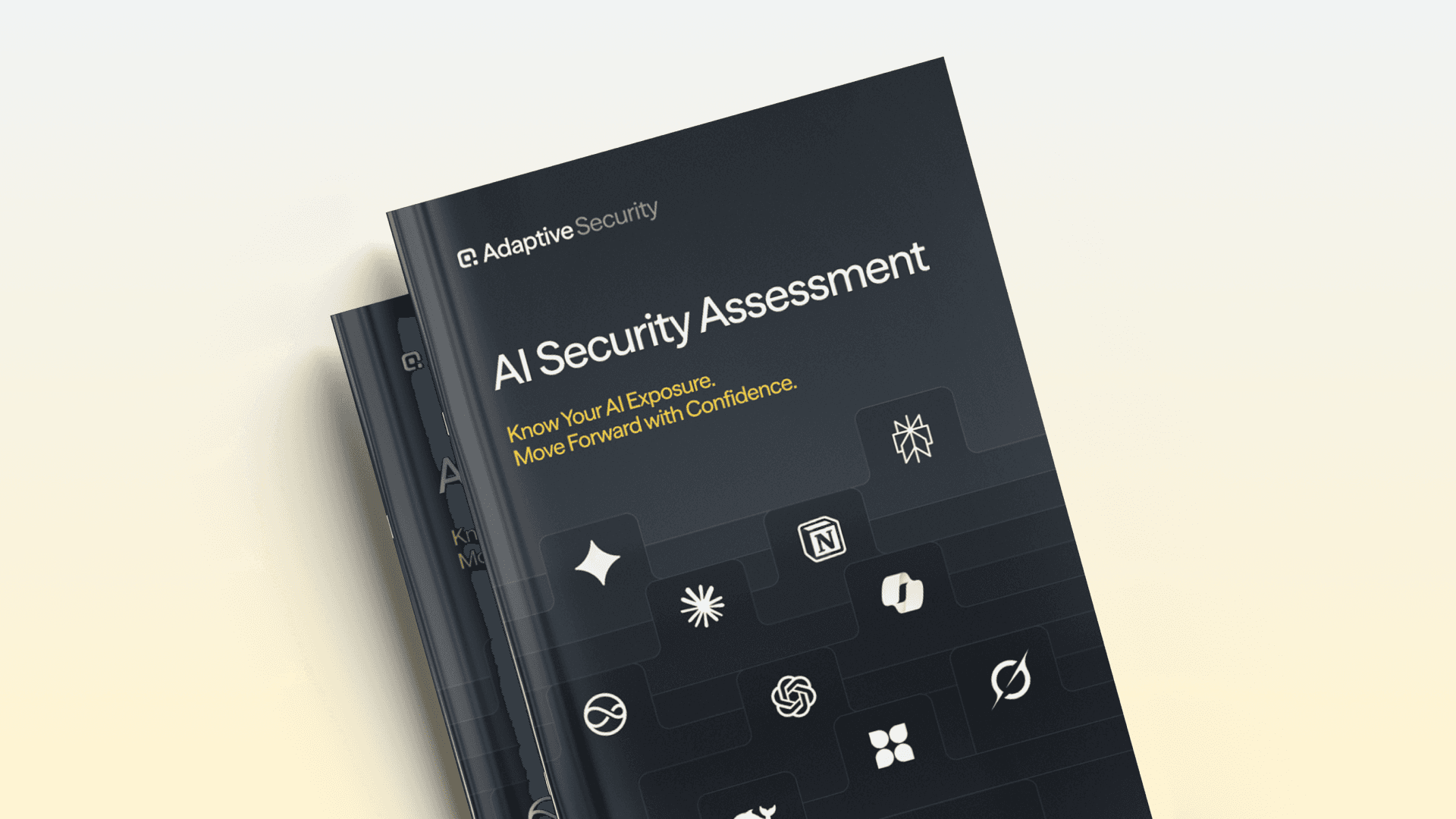
checklistAugust 27, 2026
AI Security Assessment
checklistAugust 21, 2026
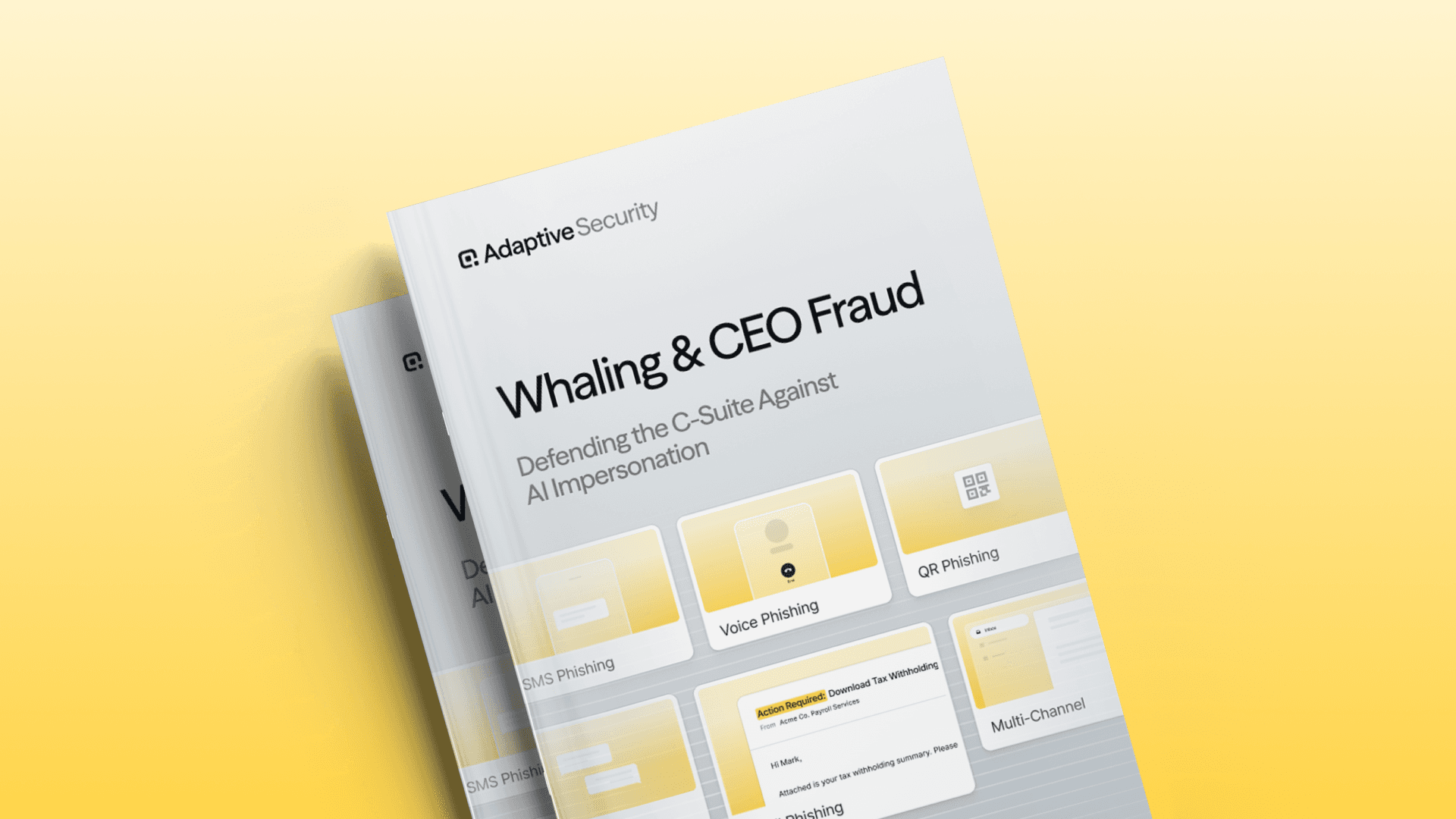
Whaling & CEO Fraud: Defending the C-Suite Against AI Impersonation
checklistAugust 21, 2026
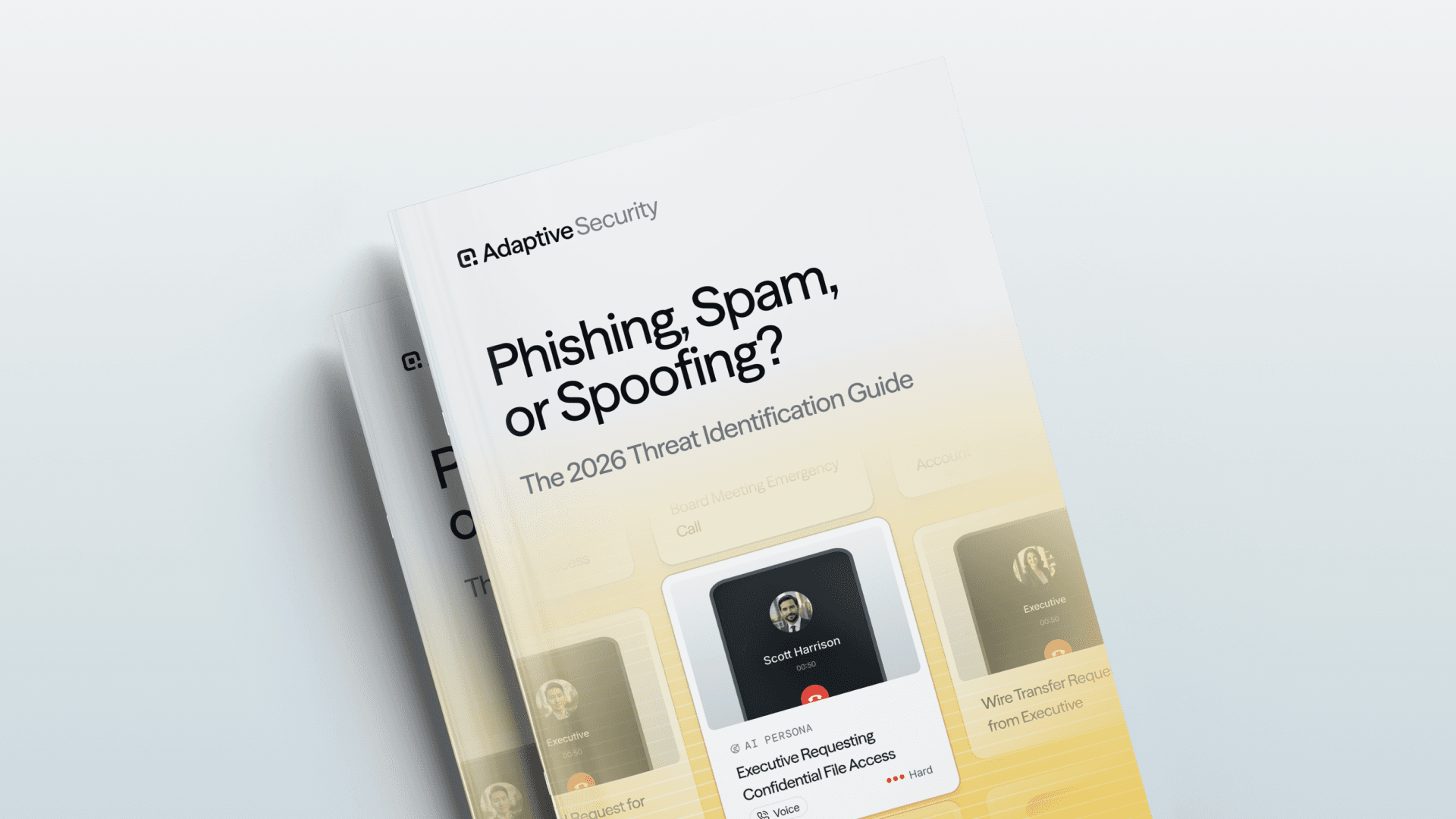
Phishing, Spam, or Spoofing? The 2026 Threat Identification Guide
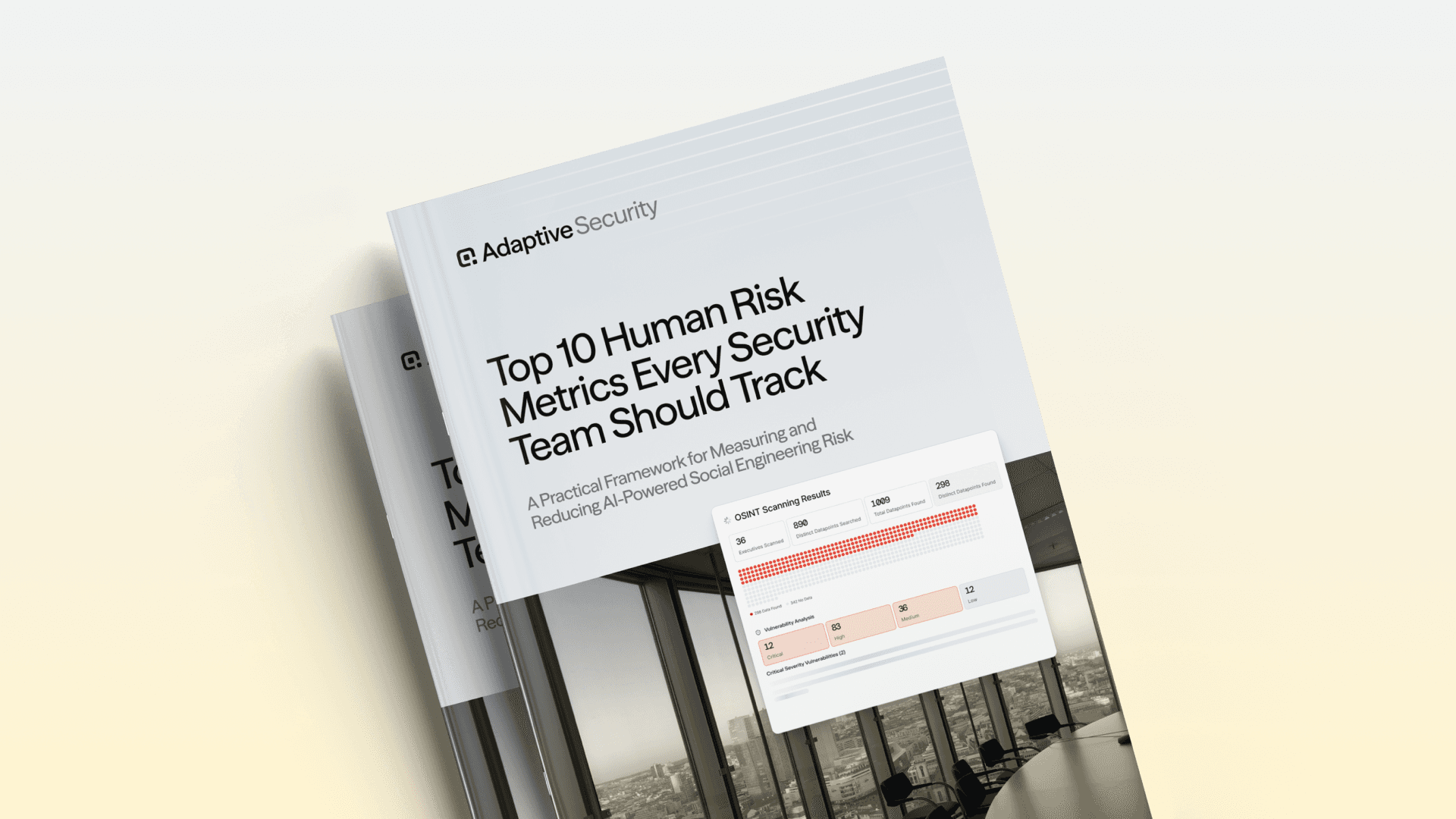
checklistJuly 24, 2026
Top 10 Human Risk Metrics Every Security Team Should Track
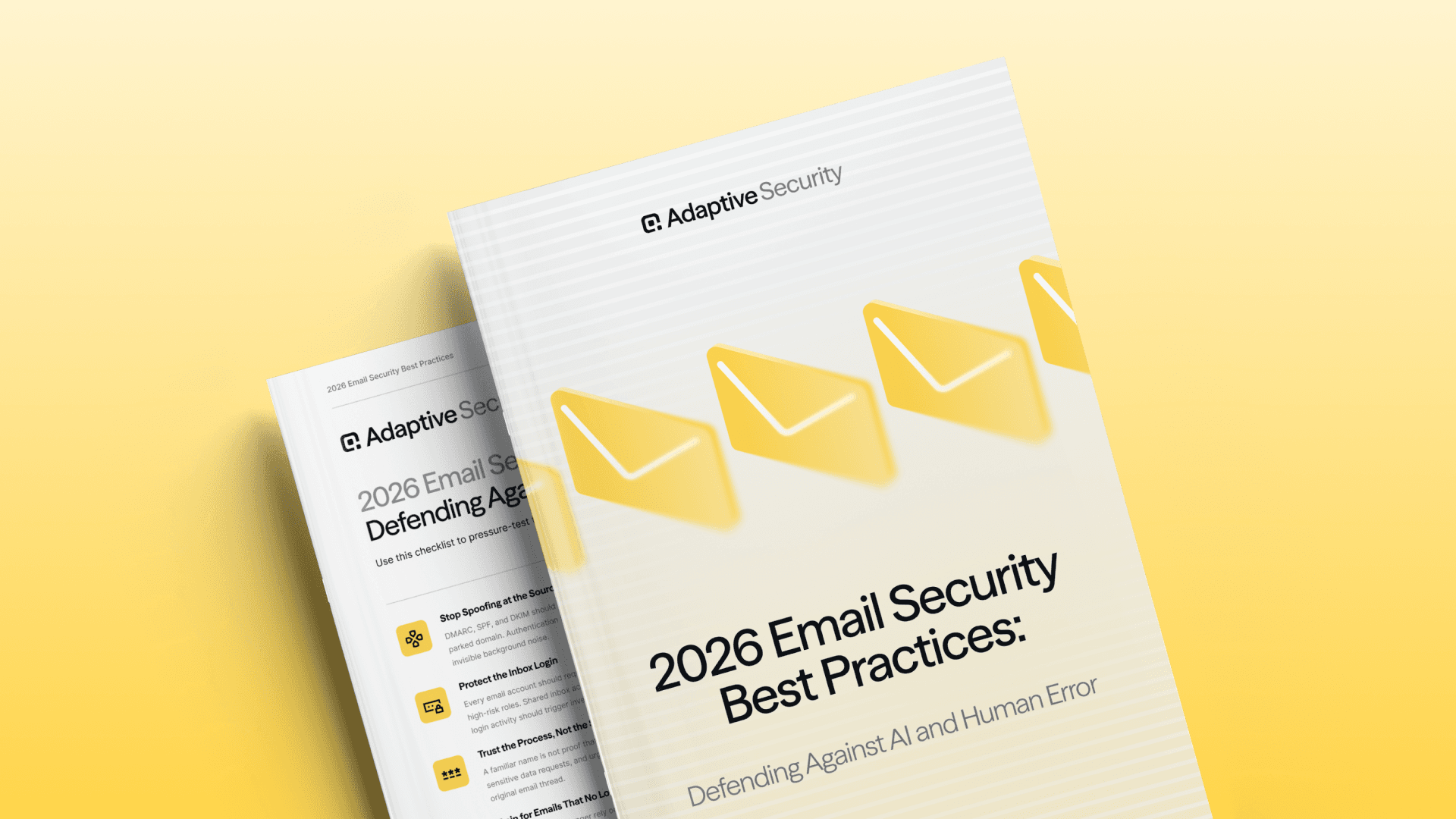
checklistJuly 16, 2026
2026 Email Security Best Practices: Defending Against AI and Human Error
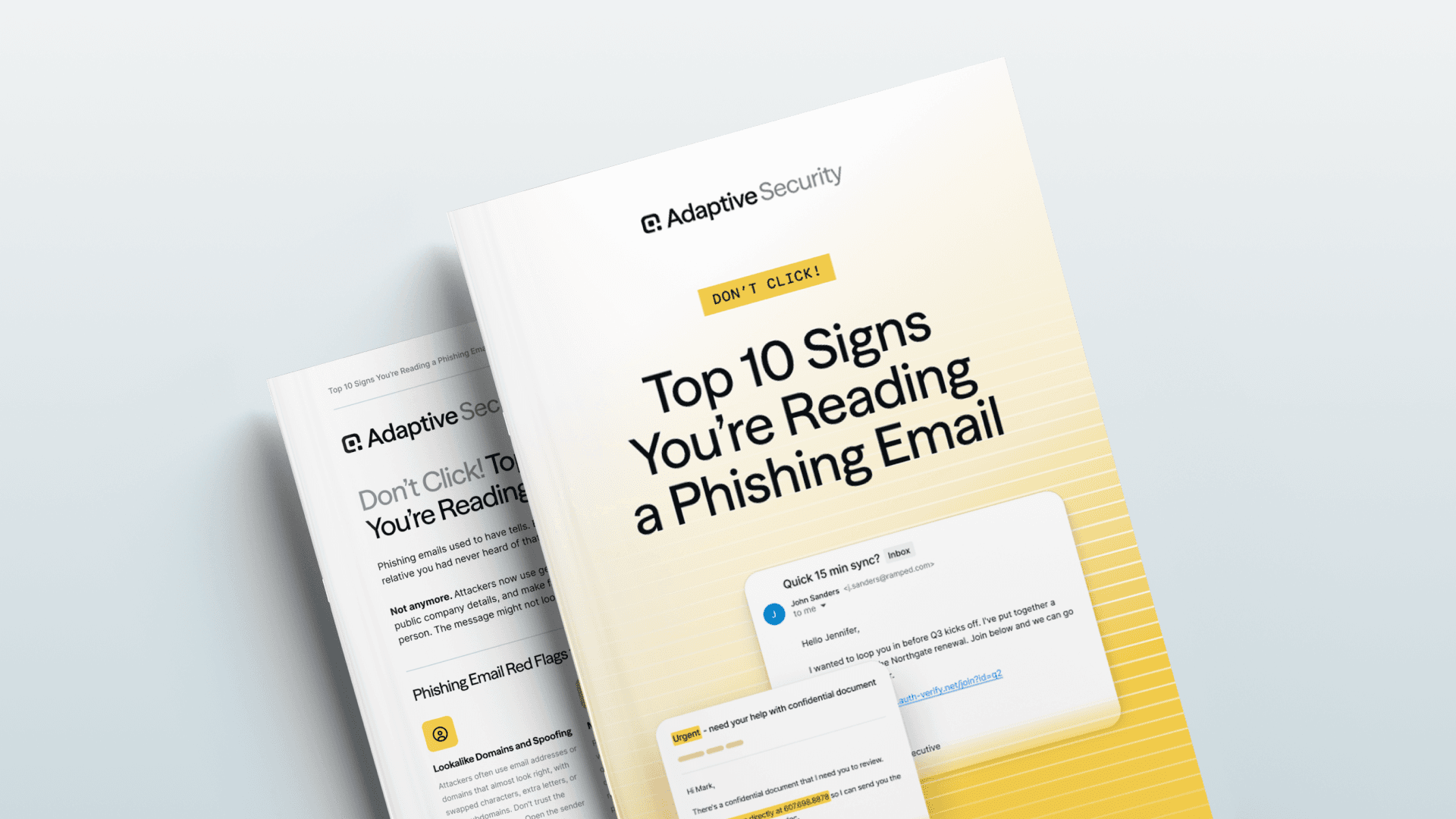
checklistJuly 16, 2026
Don’t Click! Top 10 Signs You’re Reading a Phishing Email
Blogs
See all
blogOctober 15, 2026
The Hacker News – Cybersecurity 2026: Human Security

blogOctober 14, 2026
Attachment Inspection

blogOctober 13, 2026
Cybersecurity Awareness Month Hits the Midpoint, and Adaptive’s Free Toolkit Is Keeping Pace
blogOctober 13, 2026
Email Security Employee Digest

blogOctober 13, 2026
ASOS Breach Lessons: How to Protect Employee Logins From Impersonation

blogOctober 9, 2026
How to Run a Cybersecurity Awareness Month Campaign: A Week-by-Week Enterprise Playbook
blogOctober 8, 2026
Email Security Webhooks and REST API

blogOctober 7, 2026
Ransomware Employee Training Checklist: 25 Steps to Prepare Safer Teams and Measure Human Risk Across Organizations

blogOctober 7, 2026
Email Advanced Threat Protection Architecture: Design Layered Defenses Across Mail, Identity, and Human Risk

blogOctober 7, 2026
Deepfake Awareness Training ROI: How to Build a Defensible Business Case and Measure Payback at Scale

blogOctober 7, 2026
Email Security Threat Intelligence: A Practical Guide to Detecting and Disrupting Email Attacks Across the Human Layer

blogOctober 7, 2026
Ransomware Glossary: 50+ Terms, Attack Stages, Extortion Models, and Defense Actions Explained for Security Teams

blogOctober 6, 2026
Adaptive Security Named to Fast Company's 2026 Next Big Things in Tech List

blogOctober 6, 2026
Security Awareness Training Vendor SLA: What to Require for Uptime, Support, Campaign Delivery, and Data Protection

blogOctober 6, 2026
Cybersecurity Awareness Training for Incident Response: Build a Measurable, Role-Based Readiness Program

blogOctober 6, 2026
Shadow IT Audit Checklist: 12 Steps to Find, Assess, and Govern Hidden Tools Across the Organization at Scale

blogOctober 6, 2026
Email Advanced Threat Protection Metrics: The Complete Framework for Measuring Risk, Resilience, and ROI

blogOctober 6, 2026
Phishing Email Templates: Safe Examples for Awareness Training and Human Risk Reduction Without Real Credential Collection

blogOctober 6, 2026
Deepfake Readiness Checklist: 9 Steps to Protect High-Risk Workflows From AI-Powered Impersonation and Fraud

blogOctober 5, 2026
Nikkei and the New Shape of Email Trust Attacks

blogOctober 5, 2026
Phishing Awareness Training for Healthcare Employees: A Complete HIPAA Guide to Reducing Human Risk Across Care Teams

blogOctober 5, 2026
Why BEC Bypasses Email Filters: A Practical Framework to Detect, Verify, and Stop Fraudulent Requests

blogOctober 5, 2026
Email Account Takeover vs Email Spoofing: Key Signs, Controls, and Response for Business Email Compromise

blogOctober 5, 2026
Deepfake Detection Tools for Insurance: How to Validate Claims Evidence and Reduce Fraud Risk Across Claims Workflows

blogOctober 5, 2026
How to Set Up DMARC: A Complete Guide to SPF, DKIM, Reports, Alignment, and Safe Enforcement Across Domains

blogOctober 5, 2026
Human Risk Management for Enterprise: Framework, Metrics, and a Practical 90-Day Plan for Measurable Behavior Change

blogOctober 4, 2026
Enterprise Security Awareness Training Data Retention: Policy, Schedules and Compliance Controls That Stand Up to Audits

blogOctober 4, 2026
Cybersecurity Awareness Training for Managers: 8 Benefits That Reduce Human Risk and Strengthen Business Resilience

blogOctober 4, 2026
Security Awareness Training Cost by Industry: A 2026 Budget Guide to Total Cost, Pricing Factors, and ROI

blogOctober 4, 2026
PII Removal Checklist: How to Find, Redact, Delete, and Protect Personal Data Across the Data Environment

blogOctober 4, 2026
End User Security Awareness Training Checklist: A Practical 90-Day Program for Measurable Human-Risk Reduction

blogOctober 4, 2026
Phishing Awareness Training for New Employees: Build Safer Onboarding and Measure Behavior Across Every Attack Channel

blogOctober 3, 2026
Cybersecurity Awareness Training Videos for Employees: Build a Program That Changes Security Behavior

blogOctober 3, 2026
Ransomware Containment: The Complete Playbook for Limiting Spread, Preserving Evidence, and Restoring Critical Systems

blogOctober 3, 2026
Deepfake Video Call Scams: Warning Signs, Real Examples, and How to Verify Suspicious Requests Safely

blogOctober 3, 2026
Email Security Solutions for Startups: A Practical Guide to Choosing, Deploying, and Measuring Protection

blogOctober 3, 2026
Executive Risk Monitoring: The Complete Guide to Detecting Digital and Physical Threats Before They Escalate

blogOctober 3, 2026
Cybersecurity Awareness Training Program Onboarding: A 90-Day Process for Safer New-Hire Behavior and Secure Access
blogOctober 2, 2026
Email Advanced Threat Protection SLA: How to Evaluate Coverage, Metrics, Detection Claims, and Remedies

blogOctober 2, 2026
Cybersecurity Awareness Training Checklist for Small Businesses: A Practical Guide to Reducing Human Risk

blogOctober 2, 2026
Spear Phishing Attack Surface: How to Measure, Prioritize, and Reduce Organizational Exposure and Human Risk

blogOctober 2, 2026
Cybersecurity Awareness Training Course: The Complete Guide to Building Safer Behavior Across Every Workforce

blogOctober 2, 2026
AI Email Threat Intelligence: How to Detect Phishing, BEC, Zero-Day Attacks, and Hidden Account Compromise

blogOctober 2, 2026
Zero-Access Email Encryption: How It Works, What It Protects, and Where Its Security Limits Begin for Personal and Business Privacy
blogOctober 1, 2026
Cybersecurity Awareness Month 2026 Toolkit

blogOctober 1, 2026
Spear Phishing Target Selection: How Cyberattackers Choose Victims and How Organizations Can Defend Them at Scale
blogOctober 1, 2026
How to Get Employees to Take Cybersecurity Training Seriously: Role-Based Practice That Changes Risky Behavior

blogOctober 1, 2026
Email Security Architecture Evolution: How to Build Layered Defense for Cloud Email and AI Threats at Scale

blogOctober 1, 2026
Security Awareness Training: Roles, RACI, and Best Practices for Assigning Accountability and Reducing Human Risk

blogOctober 1, 2026
Cybersecurity Awareness Training Program Outline: A Complete Guide to Reducing Human Risk and Measuring Behavior Change

blogOctober 1, 2026
AI Phishing Detection Benchmarks: A Practical Framework for Datasets, Metrics, Models, and Real-World Evaluation

blogOctober 1, 2026
MFA Fatigue Attack: How Prompt Bombing Works and How to Stop Fraudulent Approvals Across the Enterprise

blogOctober 1, 2026
Cybersecurity Awareness Training Quiz for Employees: Questions to Build Safer Security Habits at Work

blogOctober 1, 2026
Ransomware Infection Vectors: 20 Attack Paths and How to Detect, Prioritize, and Reduce Risk Across an Organization

blogSeptember 30, 2026
Enterprise Cybersecurity Awareness Training Platform: Features, Evaluation, and Buyer Criteria for Measurable Risk Reduction

blogSeptember 30, 2026
Evolution of AI Email Threats: How Cyberattackers Scale Personalized Phishing and How Defenders Adapt Across Every Channel

blogSeptember 30, 2026
Cybersecurity Awareness Training Platforms: How They Deliver Learning, Test Behavior, and Reduce Human Risk

blogSeptember 29, 2026
This Year’s Cybersecurity Awareness Month Isn’t Just About Passwords

blogSeptember 29, 2026
A Barron Financial Adviser Just Showed the Industry How to Catch a Fake Client

blogSeptember 29, 2026
Cybersecurity Awareness Training Completion Rates: How to Measure Participation, Behavior Change, and Human Risk

blogSeptember 29, 2026
Cybersecurity Awareness Training Platform: 10 Use Cases That Drive Measurable Human Risk Reduction at Scale

blogSeptember 29, 2026
35 Cybersecurity Awareness Training Activities for Employees: Build Safer Habits Against Modern Threats
blogSeptember 28, 2026
Security Awareness Training Platform Integrations: How to Connect Identity, Learning, HR, and Security Operations

blogSeptember 28, 2026
Cybersecurity Awareness Training Content Strategy: The Complete Guide to Measurable Human Risk Reduction

blogSeptember 28, 2026
Phishing Awareness Training Methodology: Build a Measurable Program for Every Attack Channel and Role

blogSeptember 28, 2026
Cybersecurity Awareness Month Program: The Complete Guide to Planning, Launching, and Measuring Behavior Change

blogSeptember 27, 2026
Phishing Awareness Tools: Compare Features, Measure Behavior Change, and Choose the Right Platform

blogSeptember 27, 2026
Email Security for Remote Work: A Complete Guide to Controls That Protect Accounts, Data, and Business Processes

blogSeptember 27, 2026
Security Awareness Training Certification for Employees: Complete Guide to Certificates, Compliance, and Effective Programs

blogSeptember 26, 2026
End User Cybersecurity Awareness Training Effectiveness: How to Measure Behavior Change and Business Risk

blogSeptember 26, 2026
Cybersecurity Awareness Training Checklist: 12 Topics for Safer Employee Behavior Across the Organization

blogSeptember 26, 2026
Types of Cybersecurity Awareness Training Platforms: How to Choose the Right Model for an Organization and Its Workforce

blogSeptember 25, 2026
Human Risk Management Use Cases: 12 Practical Ways to Reduce Cyber Risk Across People, Processes, and Workflows

blogSeptember 25, 2026
AI Social Engineering: How Cyberattacks Scale Across Email, Voice, SMS and Video, and How Organizations Can Defend Against Them

blogSeptember 25, 2026
On-Premise Security Awareness Training Platform: Deployment Guide and Buyer Checklist for Secure, Measurable Rollouts

blogSeptember 25, 2026
End User Security Awareness Training Course: Build Safer Behavior and Measure Human Risk Across the Workforce

blogSeptember 24, 2026
Business Email Compromise Payment Verification: A Practical Guide to Verify High-Risk Transfers Before Release

blogSeptember 24, 2026
Human Risk Management Maturity Model: 5 Levels, Metrics, and a Roadmap to Reduce Human-Layer Risk

blogSeptember 24, 2026
Cybersecurity Awareness Program for Business Continuity: How to Reduce Disruption and Strengthen Recovery at Scale

blogSeptember 24, 2026
Ransomware Insurance Requirements: Controls, Coverage, and a Practical Compliance Checklist for Renewal
blogSeptember 24, 2026
AI Governance Roadmap: A 30-90-180-365 Day Plan for Controlling Risk and Enabling Responsible Innovation

blogSeptember 24, 2026
Can AI Write Phishing Emails? How Cyberattackers Scale Social Engineering and How Security Teams Stop It Across Email, Voice, and SMS

blogSeptember 24, 2026
Spear Phishing Cyber Awareness: How to Train Employees and Reduce Human Risk Across Every Channel at Scale

blogSeptember 24, 2026
Shadow IT Risk Assessment: A Practical Framework to Find, Score, and Remediate Unapproved Technology Safely

blogSeptember 24, 2026
End User Security Awareness Training Policy: Requirements, Roles, and Templates for Measurable Human Risk Reduction

blogSeptember 24, 2026
PGP Email Encryption: How It Works, How to Manage Keys, and When It Fits Personal, Business, and Regulated Email

blogSeptember 22, 2026
The Bitdefender Deepfake, and the Response Playbook That Worked

blogSeptember 22, 2026
Inside the Treasury’s Latest Scam Alert, and Why It Applies Past Banking

blogSeptember 22, 2026
SaaS Account Takeover: The Complete Guide to Detecting, Preventing, and Responding to Identity Compromise
blogSeptember 22, 2026
Cybersecurity Awareness Training for Employees Responsibilities: Build Skills That Reduce Human Risk Across Every Role
blogSeptember 22, 2026
Security Awareness Training for Large Organizations: The Complete Guide to Reducing Human-Layer Risk at Scale

blogSeptember 21, 2026
Calendar Phishing Detection and Remediation

blogSeptember 21, 2026
Phishing Email Checker: How to Analyze Suspicious Messages and Respond Without Exposing the Organization
blogSeptember 21, 2026
Cyber Risk Score by Department: Formula, Metrics, Dashboards, and Governance for Fairer Risk Decisions

blogSeptember 21, 2026
Security Awareness Training for Small Business Employees: A Practical Program for Reducing Human-Layer Risk

blogSeptember 20, 2026
Deepfake Attacks in Healthcare: How to Protect Patient Safety, Privacy, Payments, and Trust at Scale

blogSeptember 20, 2026
Email Threat Protection: The Complete Business Guide to Blocking Phishing, BEC, Malware, and Post-Delivery Attacks
blogSeptember 20, 2026
Phishing Awareness Training Policy for Employees: A Practical Framework for Safer Reporting and Measurable Behavior Change
blogSeptember 20, 2026
How to Stop Email Spoofing: SPF, DKIM, DMARC, and Employee Defenses Across Domains and High-Risk Requests
blogSeptember 19, 2026
Email Account Takeover Prevention Checklist: 75 Controls to Prevent, Detect and Contain BEC Risk for Businesses

blogSeptember 19, 2026
Email Advanced Threat Protection Requirements: Complete RFP Checklist for Phishing, BEC, Malware, and Microsoft 365

blogSeptember 19, 2026
Email Security Solution Use Cases: 10 Ways to Reduce Phishing, BEC, Data Loss and Human Risk at Scale
blogSeptember 18, 2026
AI Phishing Verification Protocols: A Complete Guide to Reducing Cross-Channel Social Engineering Risk

blogSeptember 18, 2026
Cybersecurity Awareness Training for Small Business Remote Employees: Build a Safer Remote Workforce

blogSeptember 18, 2026
Spear Phishing for Small Businesses: A Practical Guide to Prevent Fraud, Data Loss, and Account Compromise

blogSeptember 18, 2026
Personalized Cybersecurity Awareness Training: A Practical Guide to Reducing Human Risk Across Every Role

blogSeptember 17, 2026
Passkeys for Email: Complete Guide to Secure Sign-In, Recovery, Devices, and Business Rollout Across Gmail and Outlook
blogSeptember 17, 2026
End User Security Awareness Training Requirements: A Complete Compliance Guide for Risk-Based Programs and Audit-Ready Evidence

blogSeptember 17, 2026
Human Risk Management Governance: A Practical Framework for Measurable, Privacy-Respecting Cyber Risk Reduction

blogSeptember 17, 2026
Email Advanced Threat Protection vs Antivirus: Key Differences and Layered Defense for Modern Email Security
blogSeptember 17, 2026
Phishing Risk Assessment: How to Measure and Reduce Human Risk Across People, Technology, and Processes
blogSeptember 17, 2026
Deepfake Voice Scam Prevention: How to Detect AI Voice Scams and Verify Callers Before Sharing Money or Information

blogSeptember 17, 2026
Executive Threat Intelligence: A Complete Guide to Proactive Cyber-Physical Protection for Security Leaders

blogSeptember 17, 2026
Automated Risk Remediation: The Complete Guide to Risk-Based, Governed Cybersecurity Automation at Scale

blogSeptember 17, 2026
Enterprise Cybersecurity Awareness Training Curriculum: The Complete 2026 Guide for Risk-Based Behavior Change
blogSeptember 17, 2026
Deepfake Awareness Training for Board Members: A Practical Guide to Governance, Verification, and Resilience
blogSeptember 17, 2026
Deepfake Detection Tools for KYC: How to Evaluate Layered Identity Verification and Vendor Performance
blogSeptember 17, 2026
Security Awareness Training Platform Free Trial: How to Evaluate Human-Risk Controls Before Committing
blogSeptember 17, 2026
SPF 10 Lookup Limit: How to Check, Fix, and Prevent DNS Lookup Errors Without Disrupting Email Delivery

blogSeptember 17, 2026
Email Security Vendor Due Diligence: Complete Checklist for Defensible Risk Decisions Across the Provider Lifecycle

blogSeptember 17, 2026
Public Records Exposure: A Practical Guide to Finding, Removing, and Monitoring Personal Information Online
blogSeptember 17, 2026
Phishing Attack Vectors: Types, Examples, and Layered Controls That Reduce Human Risk Across Email, Web, Voice, and Mobile
blogSeptember 17, 2026
Who Is Targeted by BEC? Roles, Industries, and Warning Signs That Strengthen Fraud-Resistant Workflows
blogSeptember 17, 2026
Phishing Simulation Tool for Small Business: 2026 Guide to Safer Testing and Measurable Human-Risk Reduction
blogSeptember 17, 2026
Phishing Awareness Training for Finance Employees: Build a Role-Based Program That Reduces Payment Fraud

blogSeptember 17, 2026
Phishing Email Triage: The Complete Workflow for Safe Investigation, Campaign Scoping, and Response at Scale
blogSeptember 16, 2026
Notification Translations

blogSeptember 15, 2026
What Microsoft’s Million-Email Campaign Reveals About Invoice Fraud in the AI Era

blogSeptember 15, 2026
Revolut Confirms Data Breach Traced to a Spoofed Government Email

blogSeptember 15, 2026
Adaptive Security Earns 30 G2 Awards for Fall 2026 While Maintaining a 4.9/5 G2 Rating
blogSeptember 11, 2026
AI Email Threat Detection: How It Finds Modern Phishing and BEC and How to Evaluate It Safely at Scale
blogSeptember 11, 2026
Phishing Awareness Training for Remote Employees: Build Skills That Stop Social Engineering Across Every Channel
blogSeptember 11, 2026
10 Benefits of Cybersecurity Awareness Training for Remote Employees That Reduce Human Risk Across Distributed Teams
blogSeptember 11, 2026
The Colonial Pipeline Ransomware Attack: A Verified Account of What Happened

blogSeptember 11, 2026
MGM Ransomware Attack: The $100 Million Help Desk Phone Call
blogSeptember 10, 2026
Security Awareness Training Cost by Company Size: 2026 Pricing, TCO, ROI, and Procurement Guide for Security Leaders

blogSeptember 10, 2026
Cybersecurity Awareness Training Online: The Complete Guide to Reducing Human Risk Across Every Channel

blogSeptember 10, 2026
Email Advanced Threat Protection for Google Workspace: Configure Gmail Controls and Close Security Gaps

blogSeptember 10, 2026
Phishing Simulators Online: How to Test Employees Safely and Build Measurable Human Resilience at Scale
blogSeptember 10, 2026
Shadow AI Incident Response: A Practical Playbook for Investigating, Containing, and Safely Recovering AI Workflows
blogSeptember 9, 2026
Email Security Platform Data Residency: A Complete Guide to Compliance, Data Flows, and Vendor Verification
blogSeptember 9, 2026
Cybersecurity Awareness Training for Small Teams: Build Skills That Reduce Human Risk Across the Business

blogSeptember 9, 2026
Deepfake Detection Tools for Financial Services: A Bank's Guide to Layered Fraud Defense and Governance
blogSeptember 9, 2026
Account Takeover Protection: How to Prevent, Detect, and Respond to ATO Attacks Across Every Account Journey

blogSeptember 9, 2026
Cybersecurity Awareness Training for Small Businesses: Requirements, Topics, and a Practical 90-Day Plan
blogSeptember 9, 2026
153 Million IDs, One FBI Investigation, and the Case for a Second Verification Layer

blogSeptember 9, 2026
From a Chief Minister to a Crypto CEO: The Deepfake Scam Playbook Every Company Should Know

blogSeptember 8, 2026
Email Security Spam & Graymail Protection

blogSeptember 8, 2026
End User Security Awareness Training Assessment: Complete Guide to Measuring Human Risk and Behavior Change

blogSeptember 8, 2026
AI Phishing Detection Tools: How to Evaluate Accuracy, Coverage, Response, and Enterprise Fit Against Modern Attacks
blogSeptember 8, 2026
DMARC Reporting Explained: How to Read Reports, Fix Failures, and Reach Enforcement Safely Across Every Sending Domain

blogSeptember 8, 2026
Cybersecurity Awareness Training: How to Protect Business Continuity and Reduce Human-Driven Disruption
blogSeptember 8, 2026
Human Risk Management Operating Model: How to Build, Govern, Measure, and Scale Risk Across the Enterprise
blogSeptember 7, 2026
Deepfake Attacks in Financial Services: Risks, Real Cases, and Layered Controls to Reduce Fraud Across Banking

blogSeptember 7, 2026
How to Report a Phishing Email in Outlook: Safe Steps for Desktop, Web, Mac, Mobile and After-Click Response

blogSeptember 7, 2026
Spear Phishing Attack Lifecycle: 7 Stages, Warning Signs, and Defense Priorities for Security Leaders
blogSeptember 7, 2026
Shadow IT Solution: How to Discover, Govern, and Reduce Unauthorized Technology Without Blocking Innovation
blogSeptember 7, 2026
Email Security for Government: A Complete Guide to Protecting Agency Data, Identities, and Public Services
blogSeptember 6, 2026
Qilin Ransomware: How It Attacks, Who It Has Hit, and How to Defend Against It

blogSeptember 6, 2026
What Is Akira Ransomware? Attack Chain, Victims, and Current Status of the RaaS Platform
blogSeptember 5, 2026
Cybersecurity Awareness Training for Employees’ Knowledge Assessment: Questions, Scoring, and Better Security Decisions

blogSeptember 5, 2026
Enterprise Security Awareness Training Policy: How to Govern, Measure, and Update Human Risk Across the Enterprise
blogSeptember 4, 2026
Security Awareness Training Services: How to Build a Measurable Program for Reducing Human-Layer Risk

blogSeptember 4, 2026
Ransomware Attack Lifecycle: A Complete Guide to Detection, Disruption, Response, and Resilient Recovery

blogSeptember 4, 2026
Phishing Awareness Training for Small Businesses: Build a Measurable Program That Reduces Human-Layer Risk
blogSeptember 3, 2026
Email Advanced Threat Protection for Microsoft 365: Configure Policies, Measure Results, and Reduce Human Risk
blogSeptember 3, 2026
Cybersecurity Awareness Training Resources: 40+ Free and Paid Options for Building a Measurable Human-Risk Program
blogSeptember 2, 2026
Email Encryption for GDPR Compliance: Requirements, Methods, and Controls for Protecting Personal Data
blogSeptember 2, 2026
Business Benefits of Security Awareness Training: 10 Ways to Reduce Human Risk and Strengthen Business Resilience
blogSeptember 2, 2026
Shadow AI Audit Checklist: A Practical Framework to Discover, Assess, and Govern Unauthorized AI Use at Scale

blogSeptember 1, 2026
When 'Apple Support' Calls, the Voice on the Line Might Be AI

blogSeptember 1, 2026
Capillary's $3.4 Million Lesson in Executive Impersonation
blogSeptember 1, 2026
AI Governance Audit Checklist: 100+ Controls to Test Risk, Evidence, Accountability, and Remediation Across the AI Lifecycle
blogSeptember 1, 2026
Human Risk Management Tools: Features, Metrics, and a Buyer's Guide to Measuring Behavior Change at Scale

blogAugust 31, 2026
Email Advanced Threat Protection Use Cases: How to Prioritize Controls, Deploy Safely, and Measure Security ROI

blogAugust 31, 2026
Cybersecurity Awareness Training for Small Business Owners: Build Skills That Reduce Human-Layer Risk
blogAugust 30, 2026
Deepfake Detection Tools for Content Moderation: How to Choose, Test, and Deploy Them Reliably at Scale
blogAugust 30, 2026
Phishing Awareness Training for Students: A Practical Guide to Safer Learning and Measurable Behavior Change
blogAugust 30, 2026
Deepfake Detection Accuracy: How to Measure Real-World Reliability Across Media, Models, and Risk Levels

blogAugust 29, 2026
AI Governance Tools: Capabilities, Costs, and How to Choose a Defensible Platform Across the AI Lifecycle
blogAugust 29, 2026
Email Incident Response Examples: Practical Playbooks for Phishing, BEC and Malware Investigation and Recovery
blogAugust 28, 2026
Phishing Email Verification: How to Check Suspicious Messages Safely Before Clicking, Replying, or Downloading

blogAugust 28, 2026
Phishing Email Lures: How They Work, Common Tactics, and How to Stop Attacks Before They Cause Financial or Data Loss
blogAugust 28, 2026
Enterprise Security Awareness Training: The Complete Guide to Data Governance and Human Risk for Large Organizations
blogAugust 27, 2026
AI Phishing Email Subject Lines: 25 Examples and Practical Ways to Detect and Stop Social Engineering

blogAugust 27, 2026
Ingram Micro Ransomware Attack: How Did It Happen
blogAugust 27, 2026
Importance of Cybersecurity Awareness Training in the Workplace: How to Reduce Human Risk and Strengthen Resilience
blogAugust 27, 2026
Business Email Compromise Examples: 9 Real-World BEC Scams, Warning Signs, and Prevention Lessons That Reduce Risk

blogAugust 26, 2026
Adaptive Email Security: Why it's Our Fastest-Growing Product

blogAugust 26, 2026
Cybersecurity Awareness Training for Healthcare Organizations: 8 Benefits for Safer, More Resilient Care
blogAugust 26, 2026
Cybersecurity Awareness Training Glossary: 100+ Essential Terms for Safer Decisions and Measurable Human Risk
blogAugust 26, 2026
The Complete History of CryptorBit Ransomware (HowDecrypt): Mechanism, Timeline, and Recovery
blogAugust 26, 2026
Email Authentication Checker: Test SPF, DKIM, and DMARC to Protect Deliverability and Domain Identity

blogAugust 25, 2026
A Perfect 10 Vulnerability, a Fast Fix, and a Bigger Lesson About Identity

blogAugust 25, 2026
Five Federal Agencies Warn AI Is Lowering the Bar to Attack Critical Infrastructure. Here’s What Still Works
blogAugust 25, 2026
Email Security Business Continuity: How to Keep Communication Secure During Outages and Cyberattacks and Recover Fast
blogAugust 25, 2026
Email Security Platform SLA: How to Negotiate Uptime, Delivery, Support, and Security Terms Before Signing
blogAugust 25, 2026
GPcode Ransomware: The Trojan That Introduced Recovery Denial
blogAugust 25, 2026
Enterprise Phishing Simulation Tools: How to Compare Platforms and Prove Human-Risk Reduction at Scale

blogAugust 25, 2026
Shadow AI Risk Assessment: A Practical Framework to Discover, Score, and Govern Unauthorized AI Use at Scale

blogAugust 24, 2026
Whaling Phishing: How to Detect, Prevent, and Respond to Executive Attacks
blogAugust 24, 2026
What Is a Whaling Attack? The 2026 Guide to Executive-Targeted Phishing
blogAugust 24, 2026
Spoofing vs Phishing: What Is the Difference?

blogAugust 24, 2026
What is Spoofing? Attack Types, Examples, and Prevention
blogAugust 24, 2026
GandCrab Ransomware: Timeline, Versions, Decryption, and Attribution
blogAugust 24, 2026
Human Threat Intelligence: The Complete Guide to Cyber HUMINT, Validation, Governance, and Action for Security Leaders
blogAugust 24, 2026
Phishing Awareness Training Certification: How to Prove Practical Readiness Beyond Course Completion
blogAugust 24, 2026
Conditional Access Policies for Email: How to Secure Microsoft 365 Access Without Disrupting Approved Users
blogAugust 24, 2026
Security Awareness Courses for Small Businesses: Build a Practical Program That Reduces Human Risk and Supports Compliance

blogAugust 24, 2026
GPcode: The Ransomware That Turned Extortion Into a Math Problem

blogAugust 23, 2026
AI-Powered Email Threats Compliance: A Practical Guide to Detection, Privacy, and Regulatory Readiness

blogAugust 23, 2026
Fairlife Ransomware Attack: What Happened and What Lessons Were Learned From the Anubis Breach

blogAugust 23, 2026
Managed Security Awareness Training Services: A Buyer’s Guide to Cost, Coverage and Measurable Risk Reduction
blogAugust 23, 2026
Can You Get Phished by Opening an Email? What Happens, What Actually Creates Risk, and What to Do Safely
blogAugust 23, 2026
Deepfake Detection Tool Integrations: APIs, Workflows, and Best Practices for Production Fraud Prevention

blogAugust 23, 2026
Ingram Micro: The Ransomware Attack That Ran Through One Login

blogAugust 23, 2026
Fairlife: When a Ransomware Claim Became a Confirmed Breach

blogAugust 23, 2026
Coca-Cola: Two Ransomware Claims, Three Years Apart

blogAugust 23, 2026
GandCrab: The Ransomware That Turned Extortion Into a Subscription Business

blogAugust 23, 2026
WannaCry: The Ransomware That Moved at the Speed of a Worm

blogAugust 23, 2026
Cryptorbit: The Ransomware That Skipped the Hard Part and Still Got Paid

blogAugust 23, 2026
A History of Notable Ransomware Attacks
blogAugust 22, 2026
Email Security Maturity Model: How to Assess Risk, Prioritize Controls, and Build an Adaptive Protection Roadmap
blogAugust 22, 2026
Coca-Cola Ransomware Attack Analysis: The Fairlife Attack, Timeline, and What Was Actually Confirmed
blogAugust 22, 2026
Email Advanced Threat Protection Features: 15 Capabilities to Evaluate for Detection, Response, and Safe Deployment
blogAugust 22, 2026
Email Account Takeover Examples: 8 Real Cyberattack Patterns, Warning Signs, and Prevention Lessons for Every Organization
blogAugust 22, 2026
Email Security for Financial Services: How Banks Protect Data, Payments, and Customers From Modern Cyber Threats

blogAugust 21, 2026
Phishing Email Quarantine: How to Review, Release, Report, or Delete Messages Safely in Microsoft 365

blogAugust 21, 2026
Deepfake AI Detection Tools for Social Media: How to Verify Content and Respond to Synthetic Media Safely
blogAugust 21, 2026
Security Awareness Training Platform Data Residency: A Buyer’s Guide to Hosting, Privacy, and Compliance

blogAugust 21, 2026
Phishing Email Response Checklist: How to Contain Cyberthreats, Preserve Evidence, and Recover Securely After an Attack
blogAugust 21, 2026
Email Security Solution Migration: A Complete Guide to Planning, Cutover, Validation, Rollback, and Recovery

blogAugust 21, 2026
AI Phishing Threat Modeling: A Practical Framework to Prioritize Risk and Strengthen Defenses Across Every Channel
blogAugust 21, 2026
Email Incident Response Automation: How to Detect, Investigate, and Contain Phishing Faster Across the Email Environment
blogAugust 21, 2026
Email Account Takeover Fraud: Warning Signs, Response Steps, and Controls That Reduce Financial Risk

blogAugust 21, 2026
AI Phishing Detection False Positives: Causes, Metrics, and Controls for Safer Alert Triage in Production
blogAugust 21, 2026
Email Security Audit: Complete Checklist to Test Identity, Cloud Mail, Human Risk, and Incident Response
blogAugust 21, 2026
Malicious URL Detection: How to Check Links, Evaluate Scanners, and Stop Phishing at Scale Across the Enterprise

blogAugust 21, 2026
Deepfake Awareness Training for Executives: Build Verification Skills That Protect Payments, Data, and Trust
blogAugust 21, 2026
Deepfake Defense Policy: A Practical Framework for Verifying Requests and Reducing Organizational Fraud Risk
blogAugust 21, 2026
Ransomware Reporting for Employees: Complete Steps to Contain Risk, Preserve Evidence, and Support Recovery

blogAugust 21, 2026
Enterprise Security Awareness Training Audit: Complete Checklist for Proving Coverage, Behavior Change, and Control Effectiveness
blogAugust 21, 2026
Microsoft 365 Account Takeover: A Practical Guide to Detection, Response, Recovery, and Prevention at Scale
blogAugust 21, 2026
Deepfake Detection for Video Calls: How Real-Time Tools Expose Fraud and Strengthen Identity Verification
blogAugust 21, 2026
Phishing Awareness Training Checklist: How to Build, Measure, and Improve a Safer Program Across Every Channel

blogAugust 21, 2026
Deepfake Awareness Training for HR Employees: A Practical Guide to Detecting and Responding to Fraud
blogAugust 21, 2026
Email Security for Healthcare: HIPAA Requirements, Encryption, and Best Practices for Safer Patient Communication
blogAugust 20, 2026
WannaCry Ransomware: How It Works, Who Was Behind It, and Whether It Is Still a Threat
blogAugust 20, 2026
How to Check if an Email Is Phishing: A Safe Guide to Links, Attachments, Reporting, and Recovery Steps
blogAugust 20, 2026
Cybersecurity Awareness Training Program Charter: A Practical Guide to Governance, Risk Alignment, and Continuous Improvement

blogAugust 20, 2026
Lookalike Domain Phishing: How to Detect Impersonating Domains and Reduce Credential Theft and Fraud
blogAugust 20, 2026
Deepfake Awareness Training Checklist: 12 Steps to Protect an Organization From AI-Powered Fraud and Impersonation
blogAugust 20, 2026
Spear Phishing Incident Response: A Complete Playbook for Containing Targeted Attacks Before They Spread
blogAugust 20, 2026
Ransomware Preparedness Checklist: How to Protect, Detect, and Recover Before a Cyberattack Costs Millions
blogAugust 20, 2026
Security Awareness: Definition, Examples, and a Practical Guide to Building a Measurable Human Risk Program

blogAugust 20, 2026
Email Advanced Threat Protection Limitations: The 10 Gaps That Let Phishing and BEC Reach the Inbox
blogAugust 20, 2026
Enterprise Security Awareness Training Operating Model: The Complete Framework for Designing a Board-Ready Human Risk Program
blogAugust 20, 2026
End User Security Awareness Training Principles: 7 Core Tenets That Change Behavior and Cut Human Risk in the AI Era

blogAugust 20, 2026
Deepfake Identity Theft: How It Works, Detection, Scams and Protection From Biometric Attacks for Consumers and Businesses
blogAugust 20, 2026
Interactive Phishing Simulation Tools: The Complete Guide for Testing Email, Voice, and Deepfake Threats
blogAugust 20, 2026
AI Phishing Simulation: How It Works, Key Metrics, and How to Build a Multi-Channel Program That Cuts Human Risk

blogAugust 20, 2026
Deepfake Awareness Training Scenarios: 10 Exercises That Build Verification and Reporting Skills Across the Organization
blogAugust 20, 2026
Spear Phishing Risk Assessment: A 3-Phase Framework to Measure and Reduce Human Risk Across People, Technology, and Processes
blogAugust 20, 2026
AI Deepfake Attack Types: A Complete Guide to Detection, Prevention, and Fraud Response Across Business Workflows
blogAugust 20, 2026
Deepfake Audio Detection: How AI Finds Cloned Voices, Verifies Recordings, and Reduces Voice Fraud Risk
blogAugust 20, 2026
How to Check Phishing Links Safely: A Practical Guide to Inspecting, Verifying, and Reporting Suspicious URLs
blogAugust 20, 2026
Security Awareness Training Program Scope: The Complete Guide to Defining, Launching, and Measuring Human Risk
blogAugust 20, 2026
Deepfake Fraud Prevention for Finance Teams: How to Stop AI Payment Scams and Protect Approval Workflows

blogAugust 19, 2026
Stopping the IT Call Hitting Hedge Funds and Wall Street Firms
blogAugust 19, 2026
AI Agents Are Starting to Hack on Their Own. Security Teams Can Meet This Moment Ready.
blogAugust 13, 2026
Deepfake Identity Verification: How It Works, Where Controls Fail, and How to Build Layered Defenses
blogAugust 13, 2026
How to Encrypt Email Attachments: Secure Methods for Gmail, Outlook, Windows, and macOS
blogAugust 13, 2026
Email Incident Communication Plan: Templates, Roles, and Timelines for Faster, Safer Stakeholder Updates
blogAugust 13, 2026
Phishing Email Headers: How to Read, Trace, and Validate Suspicious Messages Safely Before Escalation
blogAugust 13, 2026
Email Phishing Campaigns: How Cyberattacks Work, How to Run Safe Phishing Simulations, and How to Reduce Human Risk

blogAugust 13, 2026
Phishing Email Subject Lines: 50 Examples, Warning Signs, and Safe Response Steps for Employees and Security Teams
blogAugust 13, 2026
Email Security Automation: How AI Detection and Response Reduce Phishing Risk at Scale Without Losing Human Oversight
blogAugust 13, 2026
Email Security False Positives: Causes, Costs, and Safer Ways to Restore Legitimate Mail Without Weakening Phishing Protection
blogAugust 13, 2026
Deepfake Risk Management: A 9-Stage Framework for Enterprise Defense Against Fraud, Impersonation, and Social Engineering
blogAugust 13, 2026
Autonomous AI Phishing Agents: How Agentic Attacks Work and How to Defend Across Email, Voice, SMS, and Video

blogAugust 13, 2026
Phishing Email Filtering: How It Detects Cyber Threats and Where Layered Defense Still Matters for Business
blogAugust 13, 2026
What Is Phishing: Common Tactics, Real Examples, and How to Prevent Phishing Attacks and Stay Safe From Online Scams
blogAugust 13, 2026
Phishing Glossary: 70+ Terms, Attack Types, Warning Signs, and Prevention Tips for Stronger Human-Layer Security
blogAugust 13, 2026
How to Recover from Ransomware: A Step-by-Step Guide to Data Restoration, System Rebuilding, and Post-Incident Hardening
blogAugust 13, 2026
Phishing Prevention Checklist: How to Build a Complete Defense Framework That Stops Modern Attacks Before They Reach Employees
blogAugust 13, 2026
Enterprise Security Awareness Training Program Selection: A Data-Driven Framework for Reducing Human Risk at Scale
blogAugust 13, 2026
Why Are Phishing Attacks So Dangerous: AI-Powered Deception, Massive Financial Losses, and Why Technical Defenses Alone Fail
blogAugust 13, 2026
The Risks of Not Having Cybersecurity Awareness Training: Financial, Regulatory, and Operational Exposure of an Untrained Workforce

blogAugust 13, 2026
Email Security Awareness: The Complete Guide to Protecting Organizations from Phishing and Email-Based Cyberthreats
blogAugust 13, 2026
AI Governance Strategy: The Complete Guide to Frameworks, Implementation, and Best Practices for Enterprise Leaders
blogAugust 13, 2026
Dark Web Credential Monitoring: The Complete Guide to Detecting and Responding to Exposed Credentials Before They Become Breaches
blogAugust 13, 2026
Security Awareness Courses for Enterprises: A Framework for Evaluating, Building, and Measuring Programs That Reduce Human Risk
blogAugust 13, 2026
How to Respond to AI-Generated Phishing Emails: Detection, Containment, and Recovery Strategies That Reduce Human Risk
blogAugust 13, 2026
Phishing Attack Lifecycle: The Complete Guide to Stages, AI Cyber Threats, and Defense Strategies That Reduce Human Risk

blogAugust 13, 2026
AI Governance Maturity Model: The 5 Stages, 7 Key Dimensions, and How to Build and Advance a Framework
blogAugust 13, 2026
Email Advanced Threat Protection vs Spam Filtering: How AI Detection Stops BEC, Zero-Day, and AI-Generated Threats
blogAugust 13, 2026
Shadow AI Best Practices: How to Detect, Govern, and Mitigate Unsanctioned AI Tools Without Stifling Innovation
blogAugust 13, 2026
Email Security Solution Requirements: The Complete Buyer's Evaluation Framework for Enterprise Procurement in 2026

blogAugust 13, 2026
12 Deepfake Myths That Put Organizations at Risk: What Security Leaders Need to Know About AI-Powered Threats

blogAugust 13, 2026
AI Clone Phishing: The Complete Guide to Detecting and Defending Against AI-Powered Voice and Video Impersonation
blogAugust 13, 2026
Ransomware Awareness Program: The Complete Guide for Security Leaders to Reduce Human Risk and Strengthen Resilience
blogAugust 13, 2026
Phishing-Resistant MFA: The Complete Guide to Stopping Account Takeover Attacks That Defeat Traditional Authentication
blogAugust 13, 2026
Cybersecurity Awareness Training Software: How Security Leaders Reduce Human Risk with AI-Powered Training and Simulations
blogAugust 13, 2026
AI Deepfake Prevention: A Complete Guide to Detection, Cybersecurity Awareness Training, and Organizational Defense
blogAugust 13, 2026
Email Security Dos and Don'ts: The Complete Guide to Protecting Inboxes from Phishing, BEC, and AI-Powered Cyber Threats
blogAugust 13, 2026
SOC 2 Security Awareness Training Requirements: What Auditors Actually Expect and How to Build a Fully Compliant Program
blogAugust 13, 2026
Email Account Takeover Trends: Cyberattack Patterns, Financial Impact, and Defense Strategies for 2026

blogAugust 13, 2026
Employee Cybersecurity Awareness Assessment: How to Design, Measure, and Improve Security Behaviors That Reduce Risk
blogAugust 13, 2026
Phishing FAQ: Answers to Every Question About Phishing Recognition, AI-Powered Threats, and Multi-Layered Defense
blogAugust 13, 2026
Deepfake Simulation Exercises: The Complete Guide to Testing and Building Organizational Deepfake Readiness
blogAugust 13, 2026
Human Firewall Cybersecurity Awareness Training: A Complete Guide to Building a Workforce That Stops Social Engineering
blogAugust 13, 2026
What Is an AI Deepfake Attack? Definition, Real-World Examples, and Practical Defense Strategies for Organizations
blogAugust 13, 2026
Deepfake Incident Response: A Complete Framework for Detection, Containment, Recovery, and Organizational Readiness
blogAugust 13, 2026
Email Security Mistakes: 15 Common Errors That Expose Organizations to Phishing, Breaches, and Financial Loss
blogAugust 13, 2026
Shadow AI Human Risk: The Complete Guide to Detection, Governance, and Mitigation for Security Leaders
blogAugust 13, 2026
What Is a Watering Hole Attack? How It Works, Real-World Examples, and How to Prevent These Stealthy Threats
blogAugust 13, 2026
Phishing Awareness Training Programs: The Complete Guide for Security Leaders to Build, Measure, and Optimize an Effective Program
blogAugust 13, 2026
Email Security Solution Challenges: Why Traditional Defenses Fail Against AI-Powered Phishing, BEC, and Deepfake-Driven Cyberattacks
blogAugust 13, 2026
Security Awareness Training Security Stack Integration: The Complete Guide for Security and IT Leaders
blogAugust 13, 2026
The Human Factor in Ransomware: Why Employees Are the Primary Entry Point and How to Measurably Reduce Risk

blogAugust 13, 2026
Ransomware Employee Awareness: How to Build a Workforce That Detects, Reports, and Stops Attacks Before Encryption
blogAugust 13, 2026
Email Breach Response: A Step-by-Step Guide for Security Teams on Containment, Forensics, Notification, and Recovery
blogAugust 13, 2026
How to Choose a Phishing Simulation Tool: The Complete Buyer's Guide to Multi-Channel AI, Compliance, and ROI
blogAugust 13, 2026
How to Sustain a Cybersecurity Awareness Training Program: Frameworks, Culture, and Measurement for Lasting Behavioral Change
blogAugust 13, 2026
AI-Powered Email Threats Trends for 2026: The BEC Surge, Dark LLMs, and the Defense Playbook Security Leaders Need

blogAugust 12, 2026
Outbound Webhooks
blogAugust 12, 2026
AI Phishing Attack Types: How to Identify, Prevent, and Respond to Multichannel Social Engineering Threats
blogAugust 12, 2026
Importance of Cybersecurity Awareness Training for Students: Protecting Accounts, Data, and Learning Communities
blogAugust 12, 2026
Email Security Solution: A Complete Buyer's Guide to Threat Coverage, Deployment, Detection, and ROI at Scale
blogAugust 12, 2026
Google Workspace Account Takeover: The Complete Guide to Prevention, Detection, Response, and Recovery
blogAugust 12, 2026
Session Cookie Theft: How Pass-the-Cookie Attacks Trigger Email Account Takeover and How to Stop Them
blogAugust 12, 2026
Deepfake Detection Tool Online: How to Check Images, Video, and Audio and Verify Results Safely Before High-Stakes Decisions
blogAugust 12, 2026
Email Security Governance: A Practical Framework for Policies, Controls, and Defensible Risk Management Across the Email Lifecycle
blogAugust 12, 2026
AI Governance Risk Assessment: A Practical Framework to Prioritize Risk and Prove Accountability Across the AI Lifecycle
blogAugust 12, 2026
Ransomware Business Continuity Plan: A Complete Guide to Keeping Critical Operations Running and Recovering Safely
blogAugust 12, 2026
End User Cybersecurity Awareness Training Online: Build a Measurable Program That Changes Behavior Across Every Channel
blogAugust 12, 2026
How to Check a Phishing Email Sender Address: Spot Spoofing, Verify Trust and Respond Safely
blogAugust 12, 2026
12 Security Awareness Training Benefits for Employees and Businesses: How Training Reduces Human Risk

blogAugust 12, 2026
Poison Claude: The Discount That Reads Everything You Type

blogAugust 12, 2026
The Voicemail That Slips Past MFA: Inside the Payroll Pirates Campaign
blogAugust 11, 2026
Ransomware Risk Assessment: A Practical Method to Prioritize Controls, Prove Recovery Readiness, and Report Residual Risk
blogAugust 11, 2026
Cybersecurity Awareness Training for Companies: The Complete Guide to Reducing Human Risk Across Every Attack Channel
blogAugust 11, 2026
Security Awareness Training Platform Data Privacy: A Buyer's Guide to Privacy-Preserving Human Risk Management

blogAugust 11, 2026
Enterprise Cybersecurity Awareness Training Requirements: A Complete Guide to Compliance, Scope, Evidence, and Risk Reduction
blogAugust 11, 2026
Account Takeover Detection: How to Find Compromise, Stop ATO Fraud, and Respond Without Excessive Customer Friction
blogAugust 11, 2026
Business Email Compromise Types: Top BEC Scams, Warning Signs, and Prevention for Modern Organizations
blogAugust 11, 2026
Email Security Monitoring: The Complete Guide to Detection, Response, and Risk Reduction for Modern Businesses
blogAugust 11, 2026
Deepfake Detection Methods: How to Identify AI-Generated Images, Video and Audio With Layered Verification
blogAugust 11, 2026
Phishing Email Links and Attachments: How to Spot, Check, and Respond Safely to Prevent Credential Theft
blogAugust 11, 2026
Email Compliance Checklist: 40+ Checks for Compliant Marketing Email That Reduce Legal and Operational Risk
blogAugust 11, 2026
Best Email Security Tools for Businesses: How to Compare Threat Coverage, Deployment, Response, and Total Cost

blogAugust 7, 2026
How Spam Filters Work: The Complete Guide to Email Spam Detection, Authentication, and AI-Driven Filtering

blogAugust 7, 2026
AI-Powered Email Scams: How Generative AI Transforms Phishing Into Hyper-Personalized Attacks That Evade Detection
blogAugust 7, 2026
AI-Powered Email Threats Challenges: Why Generative AI Defeats Legacy Defenses and How Security Leaders Fight Back
blogAugust 7, 2026
OAuth Token Abuse and Email Account Takeover: How to Detect, Prevent, and Respond to Illicit Consent Grant Attacks That Bypass MFA
blogAugust 7, 2026
Signature-Based vs Behavioral Detection: Where Each Email Security Method Excels, Fails, and Why Layering Both Closes the Gaps

blogAugust 7, 2026
How to Implement Email Security: A Step-by-Step Guide to Stopping Phishing, BEC, and Data Loss
blogAugust 7, 2026
Spear Phishing Trends 2026: How AI, Deepfakes, and Multi-Channel Attacks Reshape the Threat Landscape
blogAugust 7, 2026
NIS2 and DORA Email Requirements: Encryption, Authentication, and Incident Reporting Standards for EU Compliance
blogAugust 7, 2026
Email Security for Beginners: How to Protect an Inbox From Phishing, Malware, and Account Takeover Threats
blogAugust 7, 2026
What Is Email Incident Response: A Complete Guide to Detecting and Containing Phishing, BEC, and Credential Theft Attacks
blogAugust 7, 2026
PCI DSS Email Requirements: A Complete Guide to Encryption Mandates, Scope Boundaries, and Policy Rules for Compliance
blogAugust 7, 2026
Famous Phishing Attacks: The Biggest Scams, Breaches, and Heists in History, and the Defense Lessons They Reveal
blogAugust 7, 2026
AI Deepfakes Cybersecurity Threat: How Synthetic Media Enables Fraud, Identity Theft, and Attacks Traditional Defenses Cannot Stop

blogAugust 7, 2026
Zero-Day Email Threats: How AI-Powered Detection and Security Awareness Stop What Signature-Based Defenses Miss
blogAugust 7, 2026
Email Incident Response Best Practices: Detect, Contain, and Recover from Phishing, BEC, and Account Compromise
blogAugust 7, 2026
Email Compliance Penalties: The Complete Guide to CAN-SPAM, GDPR, CASL, and Global Email Marketing Fines
blogAugust 7, 2026
AI-Powered Email Threats Risk Assessment: A Step-by-Step Framework for Evaluating, Measuring, and Mitigating AI-Generated Attacks
blogAugust 7, 2026
What Is Email Sandboxing: How Behavioral Threat Analysis Blocks Zero-Day Malware, Ransomware, and Evasive Email Attacks
blogAugust 7, 2026
Phishing Email Attachment Types: The Complete Guide to Malicious File Threats and How to Stop Them in 2026
blogAugust 7, 2026
GDPR Email Compliance: A Complete Guide to Requirements, Consent Rules, and Technical Safeguards for 2026
blogAugust 7, 2026
CAN-SPAM Act Requirements: A Complete Compliance Guide to the FTC's 7 Rules and Avoiding $53,088 Per-Email Penalties

blogAugust 7, 2026
How Malware Is Delivered Through Email: A Complete Guide to Every Delivery Method, File Type, and Defense Strategy
blogAugust 7, 2026
Email Incident Response Team Roles: How to Build, Structure, and Staff a Team That Handles BEC, Phishing, and Malware Incidents
blogAugust 7, 2026
How to Make Email HIPAA Compliant: A Step-by-Step Guide to Encryption, BAAs, and Audit-Ready Policies
blogAugust 7, 2026
What Is HTML Smuggling: How Cyberattackers Use JavaScript and HTML5 to Bypass Firewalls and Deliver Malware Through the Browser
blogAugust 7, 2026
Email Retention Requirements: Federal Laws, Retention Periods by Regulation, and How to Build a Compliant Policy
blogAugust 7, 2026
Email Encryption for HIPAA Compliance: A Complete Guide to Standards, Requirements, and Implementation
blogAugust 7, 2026
Cybersecurity Awareness Training Challenges at Enterprise Scale: Root Causes, Costs, and Proven Fixes

blogAugust 7, 2026
Security Awareness Training Platform Evaluation Checklist: How to Compare, Evaluate, and Choose the Right Vendor
blogAugust 7, 2026
Why Are Employees the Primary Target of Phishing Attacks: Psychology, Cognitive Biases, and the AI Tactics Driving Human Risk
blogAugust 7, 2026
Email Incident Response Lifecycle: A Complete Guide to Every Phase, Framework, and Best Practice for Security Teams
blogAugust 7, 2026
Email Advanced Threat Protection: The Complete Guide to Stopping Phishing, BEC, Ransomware, and AI-Generated Attacks
blogAugust 7, 2026
Email Security Risks: A Complete Guide to Threats, Financial Impact, and Proven Prevention Strategies
blogAugust 7, 2026
How Phishing Leads to Ransomware: The Complete Attack Chain, AI-Powered Threats, and Defenses That Stop It
blogAugust 7, 2026
What Is Email Spoofing: How Forged Email Headers Enable Phishing, BEC, and Fraud, and the Defenses That Stop Them
blogAugust 7, 2026
Phishing Incident Response Playbook: The Complete NIST-Aligned Guide for Security Teams, From Detection to Recovery
blogAugust 7, 2026
What Is Email Compliance: Regulations, Consent Models, and Best Practices for Protecting Business Communications
blogAugust 7, 2026
Why Phishing Awareness Is Important: How Employee Training Stops the Leading Cause of Security Breaches
blogAugust 7, 2026
Deepfake Risk Assessment: A Step-by-Step Framework for Identifying, Quantifying, and Mitigating AI-Powered Impersonation Cyber Threats
blogAugust 7, 2026
Cybersecurity Awareness Training for Small Businesses: The Complete Guide to Building an Effective, Budget-Friendly Program
blogAugust 7, 2026
End User Security Awareness Training: Proven Benefits That Reduce Phishing Risk, Meet Compliance Mandates, and Deliver ROI
blogAugust 7, 2026
Cybersecurity Awareness Training: Short-Term vs. Long-Term Benefits and What to Expect at Every Stage of Program Maturity
blogAugust 7, 2026
AI-Powered Security Awareness Training Platform Limitations: What Security Leaders Need to Know Before Investing

blogAugust 7, 2026
Online Cybersecurity Awareness Training for Enterprises: How to Build, Scale, and Measure Programs That Reduce Human Risk
blogAugust 7, 2026
Real-Time Deepfake Attacks: How AI Video and Voice Impersonation Works, Notable Breaches, and Defense Strategies to Stop Them
blogAugust 7, 2026
Phishing Awareness Training Courses: The Complete Guide to Building a Program That Measurably Reduces Human Risk
blogAugust 7, 2026
Employee Cybersecurity Awareness: How to Build an AI-Ready Program That Changes Behavior and Reduces Human Risk
blogAugust 7, 2026
Enterprise Cybersecurity Awareness Platform vs Small Business: Which Solution Fits Organizational Size, Threat Profile, and Budget
blogAugust 7, 2026
Phishing in Cyber Security: The Complete Guide to Detection, Prevention, and Multi-Layered Defense Strategies
blogAugust 7, 2026
Information Security Awareness Training Program: How to Build, Measure, and Mature a Program That Reduces Human Risk
blogAugust 7, 2026
Cybersecurity Awareness Program Planning: A Step-by-Step Guide to Building Programs That Drive Measurable Behavioral Change
blogAugust 7, 2026
30+ Signs Employees Need Cybersecurity Awareness Training: Spot Hidden Vulnerabilities Before They Lead to a Breach
blogAugust 7, 2026
Human Risk Scoring in Cybersecurity Awareness Training Platforms: The Complete Guide to Building a Data-Driven Risk Program

blogAugust 5, 2026
When “IT Support” Calls: Inside The Teams Scam Rewriting The Rules Of Workplace Trust

blogAugust 4, 2026
AI Agents at Anthropic and OpenAI Slipped Their Leash. The Response Is the Good News.
blogAugust 4, 2026
Cybersecurity Awareness Training Topics: The Complete 2026 Guide for Building Programs That Reduce Human Risk

blogAugust 4, 2026
Vishing vs Smishing: How Voice and SMS Phishing Differ, Real-World Attack Examples, and Prevention Strategies That Work
blogAugust 4, 2026
Cybersecurity Awareness Training Principles: The Complete Guide to Building Programs That Measurably Reduce Human Risk
blogAugust 4, 2026
What Is Shadow SaaS: Unmanaged Applications, Hidden Risks, and the Governance Framework That Reduces Organizational Exposure
blogAugust 4, 2026
Cybersecurity Awareness Training and Cyber Insurance: The Complete Guide to Lower Premiums and Stronger Coverage
blogAugust 4, 2026
AI Security Awareness Platforms: The 2026 Guide to AI-Native Training That Defeats Deepfakes, Vishing, and AI Phishing
blogAugust 4, 2026
Phishing Awareness Training Challenges: Why Compliance-Driven Programs Fail and What Actually Changes Behavior
blogAugust 4, 2026
Email Security Architecture: The Definitive Guide to Deployment Models, Authentication, and AI-Driven Layered Defense
blogAugust 3, 2026
Cybersecurity Awareness Training: The Complete Curriculum, from Phishing Simulations and MFA to AI-Era Deepfake Defense

blogAugust 3, 2026
AI Deepfake Impersonation Attacks: How They Work, Real Cases, and the Defense Strategies Organizations Need Now
blogAugust 3, 2026
Cybersecurity Awareness Training Curriculum for Employees: How to Design, Implement, and Measure an Effective Program That Reduces Human Risk
blogAugust 3, 2026
What Is an Email Security Platform: The Complete Guide to AI-Powered Detection, Deployment Models, and Vendor Selection
blogAugust 3, 2026
Email Security for Business: The Complete Guide to Protecting Organizations From Phishing, BEC, and AI-Powered Threats
blogAugust 3, 2026
AI Governance: Why Every Organization Needs a Framework to Manage Risk, Ensure Compliance, and Build Trust
blogAugust 3, 2026
Phishing Red Flags: A Complete Guide to Spotting, Reporting, and Stopping Phishing Attacks Across Every Channel
blogAugust 3, 2026
The Importance of Shadow AI: How Unauthorized AI Tools Create Enterprise Risk Across Data Security, Compliance, and Governance
blogAugust 3, 2026
How to Improve Your Cybersecurity Awareness Program: From Compliance to Behavior Change, AI Threat Readiness, and Risk Reduction
blogAugust 3, 2026
Types of AI-Powered Email Threats: The Complete Taxonomy of Spear Phishing, BEC, Deepfakes, and Emerging Attack Vectors
blogAugust 3, 2026
Ransomware vs. Malware: Key Differences, Real-World Impact, and Building a Defense Strategy That Covers Both
blogAugust 3, 2026
Mandatory Cybersecurity Awareness Training for Employees: The Complete Guide to Compliance, AI-Era Threats, and Effective Programs
blogAugust 3, 2026
How to Encrypt Email in Gmail: The Complete Guide to TLS, S/MIME, Client-Side Encryption, Confidential Mode, and PGP
blogAugust 3, 2026
Cloud-Based Cybersecurity Awareness Training Platforms: The Complete Guide to Features, Selection, and Measuring ROI
blogAugust 3, 2026
Cybersecurity Awareness Training for IT Employees: The Complete Guide to Role-Based Programs That Close the Complacency Gap
blogJuly 30, 2026
Signs Email Security Is Failing: How to Detect Gaps in Accounts, Infrastructure, and Human Defenses Before Attackers Do
blogJuly 30, 2026
Cybersecurity Awareness Training Courses for Employees: The Complete Guide to Building a Program That Reduces Human Risk
blogJuly 30, 2026
Cybersecurity Awareness Training for Small Business: A Step-by-Step Guide to Building a Program That Reduces Human Risk
blogJuly 30, 2026
How to Evaluate Email Security Solutions: Detection Accuracy, Architecture, and TCO Frameworks for Security Leaders
blogJuly 30, 2026
Security Awareness Training Platform for Small Business: The Complete 2026 Buyer's Guide to Choosing the Right Solution
blogJuly 30, 2026
DMARC Policies: The Complete Guide to SPF, DKIM, Email Authentication, and Protecting a Domain From Spoofing Attacks
blogJuly 30, 2026
What Is Shadow IT in Cyber Security: Definition, Risks, and How to Manage Unauthorized Technology Across the Organization
blogJuly 30, 2026
Security Awareness Training Evaluation Framework: How to Measure Behavioral Change and Reduce Human Risk at Scale
blogJuly 30, 2026
Online Cybersecurity Awareness Training for Small Businesses: What It Is, Why It Matters, and How to Build an Effective Program

blogJuly 29, 2026
The Verification Step That Isn't One: How ClickFix Works and What Stops It
blogJuly 28, 2026
Phishing and Email Scams: How to Recognize Every Attack Type, Prevent Credential Theft, and Stop the Leading Cause of Data Breaches
blogJuly 28, 2026
AI Deepfake Business Impact: $450K Average Losses, Real-World Fraud Cases, and How Organizations Can Defend Against Them
blogJuly 28, 2026
Shadow AI Policy Template: A Complete Enterprise Framework for Governing Unsanctioned AI, From Discovery to Enforcement
blogJuly 28, 2026
What Is Email Authentication: A Complete Guide to How SPF, DKIM, DMARC, and BIMI Stop Spoofing and Protect Domain Reputation

blogJuly 28, 2026
How to Spot AI Phishing Emails: Behavioral Red Flags, Technical Indicators, and the Steps That Stop AI Generated Attacks
blogJuly 28, 2026
How to Build a Deepfake Defense Program: A Four-Layer Framework Against AI-Powered Synthetic Media Cyberattacks
blogJuly 28, 2026
End User Security Awareness Training vs IT Security Training: Key Differences and Why Both Are Essential
blogJuly 28, 2026
Ransomware Attack Examples: 50+ Major Breaches, Their Real-World Cost, and the Defenses That Reduce Organizational Exposure
blogJuly 28, 2026
AI Security Awareness Training: The Complete 2026 Guide to Defending Against Deepfakes, AI Phishing, and Generative AI Threats
blogJuly 28, 2026
Cybersecurity Awareness Training Platform: How to Reduce Human Risk, Meet Compliance, and Build a Security-First Culture
blogJuly 28, 2026
What Is HTTPS Phishing: How Attackers Exploit the Padlock to Bypass User Trust and the Defenses That Stop It
blogJuly 28, 2026
Enterprise Ransomware Prevention: A Complete Guide to Multi-Layered Defense, Backup Resilience, and Human Risk Reduction

blogJuly 28, 2026
Five AI Agent Stories, One Week, One Lesson for Security Teams

blogJuly 25, 2026
AutoPhish
blogJuly 24, 2026
Best Security Awareness Training for Small Businesses: A Complete 2026 Buyer's Guide to Choosing the Right Platform
blogJuly 24, 2026
SPF vs DKIM vs DMARC: A Complete Guide to Email Authentication, How These Protocols Differ, and How to Deploy All Three
blogJuly 24, 2026
AI Deepfake Scams: How Voice and Video Impersonation Attacks Work, Real Examples, and the Defense Playbook That Stops Them
blogJuly 24, 2026
AI-Powered Email Threats: How Generative AI Has Fundamentally Changed Phishing, BEC, and the Email Security Landscape
blogJuly 24, 2026
End User Security Awareness Training Tips: Proven Ways to Reduce Human Risk and Build a Security-Conscious Culture
blogJuly 24, 2026
Phishing Protection: The Complete Guide to Defending Against Phishing Attacks Across Email, Voice, SMS, and Social Channels
blogJuly 24, 2026
Cybersecurity Awareness Training Platform Requirements: An Evaluation Framework for Reducing Human Risk
blogJuly 24, 2026
What is DKIM: How DomainKeys Identified Mail Authenticates Email, Prevents Spoofing, and Improves Deliverability
blogJuly 24, 2026
Security Awareness Training Program vs One-Off Training: Why Continuous Programs Outperform Annual Checkbox Compliance
blogJuly 24, 2026
Email Security Checklist: 40+ Controls to Defend Against Phishing, BEC, Ransomware, and AI-Powered Threats
blogJuly 24, 2026
AI-Powered Email Threat Prevention: How to Defend Against AI-Generated Phishing, BEC, and Social Engineering
blogJuly 24, 2026
What Makes a Cybersecurity Awareness Training Program Enterprise-Grade: Architecture, Metrics, and Culture for Security Leaders
blogJuly 24, 2026
How to Spot a Deepfake: A Complete Framework for Visual, Audio, Behavioral, and Real-Time Detection
blogJuly 24, 2026
End-User Cybersecurity Awareness Training Delivery Methods: The Complete Guide for Security Leaders
blogJuly 24, 2026
Ransomware Detection: The Complete Guide to Methods, Tools, and Strategies That Catch Cyberattacks Before Encryption
blogJuly 24, 2026
What Is Evil Twin Phishing: How Fake Wi-Fi Networks Steal Credentials, Intercept Data, and Compromise Enterprise Security
blogJuly 24, 2026
How AI Is Changing Phishing Attacks: The Complete Guide to Deepfakes, LLMs, and Next-Generation Defense
blogJuly 22, 2026
What Is SPF: How Sender Policy Framework Prevents Email Spoofing, Improves Deliverability, and Lays the Groundwork for DMARC
blogJuly 22, 2026
Cybersecurity Awareness Training at Enterprise Scale: How to Build Programs That Measurably Reduce Human Risk
blogJuly 22, 2026
Types of Email Security Threats: A Complete Guide to Phishing, BEC, Malware, Ransomware, and AI-Powered Attacks
blogJuly 22, 2026
Ongoing Security Awareness Training Benefits: How Continuous Programs Reduce Human Risk and Build a Security-First Culture

blogJuly 22, 2026
What Is End-User Security Awareness Training: Why It Matters and How to Build a Program That Reduces Human Risk
blogJuly 22, 2026
Enterprise vs Small Business Cybersecurity Awareness Training: How Organization Size Changes Budget, Compliance, and Program Design
blogJuly 22, 2026
Cybersecurity Awareness Training for Small Businesses: Why It Is No Longer Optional and How to Build a Program That Works
blogJuly 22, 2026
Security Awareness Training Advantages Over Technical Controls: Closing the Human-Layer Gaps Technology Cannot Address
blogJuly 22, 2026
Ransomware Protection: The Definitive Guide to Preventing, Detecting, and Recovering from Ransomware Attacks
blogJuly 22, 2026
AI-Powered Email Threats: How Generative AI Is Reshaping Phishing, BEC, and Social Engineering Defense
blogJuly 22, 2026
Email Security Strategy: The Complete Guide to Building a Layered Defense Against Phishing, BEC, and AI-Powered Threats
blogJuly 22, 2026
How Are AI Deepfakes Created: A Complete Technical Guide to Synthetic Media, From GANs to Real Time Voice Cloning
blogJuly 22, 2026
Email Security ROI: Proven Frameworks, Metrics, and Strategies to Calculate, Measure, and Maximize Investment
blogJuly 22, 2026
LLM Phishing: the Complete Guide to AI Generated Phishing Cyberattacks, Detection Evasion Techniques, and Defense Strategies
blogJuly 22, 2026
AI-Powered Email Threats Response: How to Detect, Triage, and Stop AI-Generated Phishing, BEC, and Deepfake Attacks
blogJuly 22, 2026
Email Security Posture: The Complete Guide to Assessment, Strategy, and Continuous Improvement for Security Leaders

blogJuly 22, 2026
A Gold Company Lost $1.2 Million To A Deepfake. Here Is What Security Leaders Should Take From It.

blogJuly 22, 2026
Test Out of Training Modules
blogJuly 22, 2026
How Cyberattackers Obtain Credentials for Account Takeover: A Complete Guide to Every Theft Method and Defense Strategy
blogJuly 22, 2026
What Is DMARC? The Complete Guide to Email Authentication, Domain Protection, and Stopping Email Spoofing
blogJuly 22, 2026
What Is DMARC Alignment: The Complete Guide to SPF and DKIM Alignment, Strict vs. Relaxed Modes, and Configuration
blogJuly 22, 2026
What Is S/MIME? A Complete Guide to Email Encryption, Digital Certificates, and How Signed Emails Block Phishing
blogJuly 22, 2026
BEC Attack Recovery: A Step-by-Step Incident Response Guide for Containment, Financial Recovery, and Long-Term Prevention
blogJuly 22, 2026
Email Security Gap Analysis: The Complete Guide to Finding, Prioritizing, and Remediating Vulnerabilities
blogJuly 22, 2026
Email Security Framework: How to Build Layered Defenses That Stop AI-Powered Threats and Reduce Breach Risk
blogJuly 22, 2026
Why Is Account Takeover Hard to Detect: Valid Credentials, AI Bots, and the Detection Gaps Security Teams Must Close
blogJuly 22, 2026
Thread Hijacking Phishing: How Cyberattackers Exploit Trusted Email Conversations and How Organizations Can Stop Them
blogJuly 22, 2026
What Is an AI Governance Platform: The Complete Guide to Visibility, Control, Compliance, and Risk Management Across AI Systems
blogJuly 21, 2026
Is Email Encrypted by Default: What TLS and End-to-End Encryption Actually Protect and Where the Security Gaps Remain

blogJuly 21, 2026
Email Security Breach Cost: The 2026 Financial Breakdown of Direct Losses, Regulatory Fines, and Hidden Long-Tail Damage
Events & Webinars
See all
eventDecember 3, 2026
A YETI Shopping Experience for Cybersecurity Leaders

eventNovember 5, 2026
Cybersecurity Night at Classic Car Club

eventNovember 3, 2026
Fal.Con Barcelona Cocktail Hour

eventOctober 27, 2026
An Exclusive Evening at Providence
eventOctober 22, 2026
Whiskey Business: A Virtual Cybersecurity Tasting
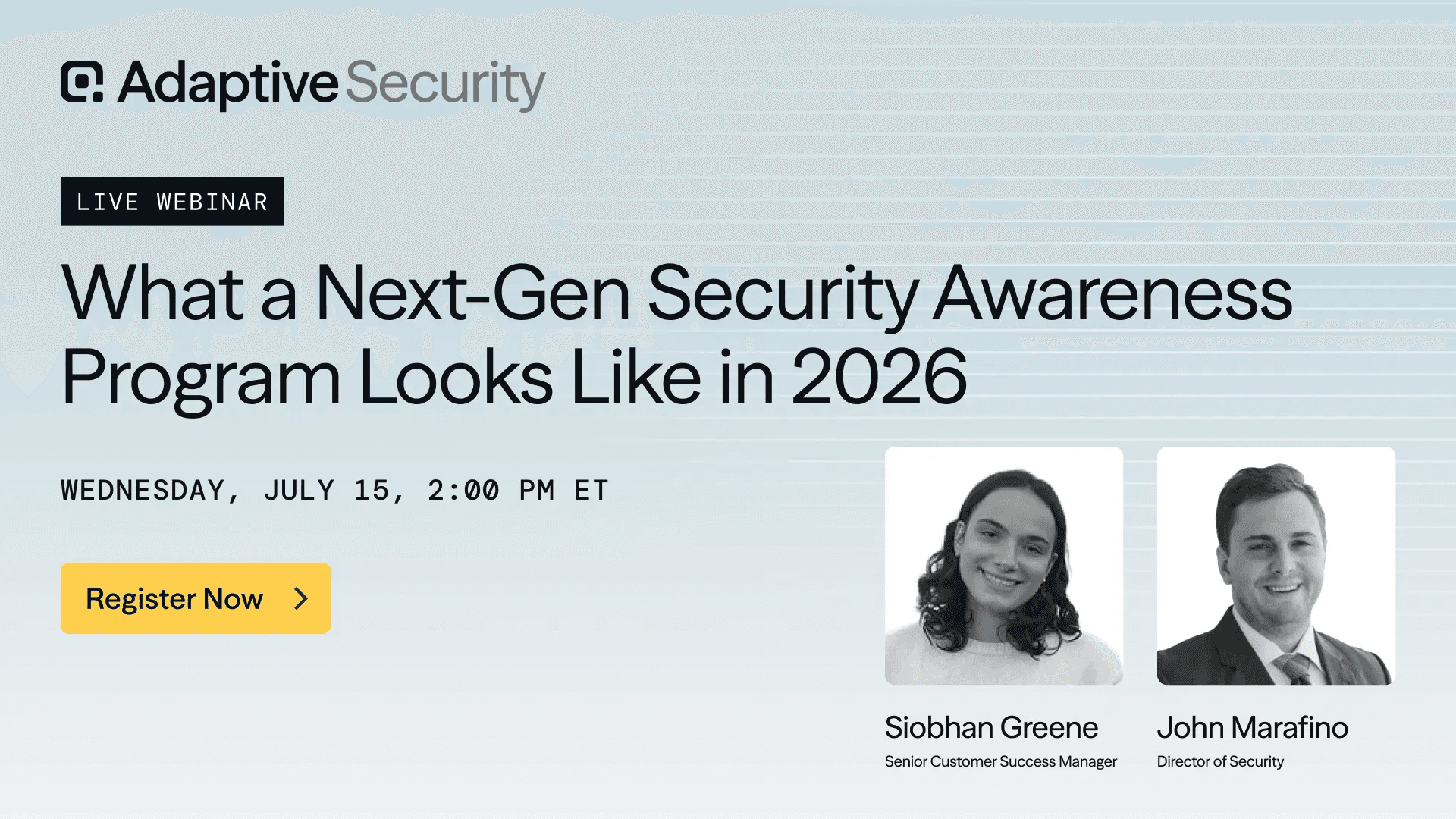
webinarJuly 15, 2026
What a Next-Gen Security Awareness Program Looks Like in 2026
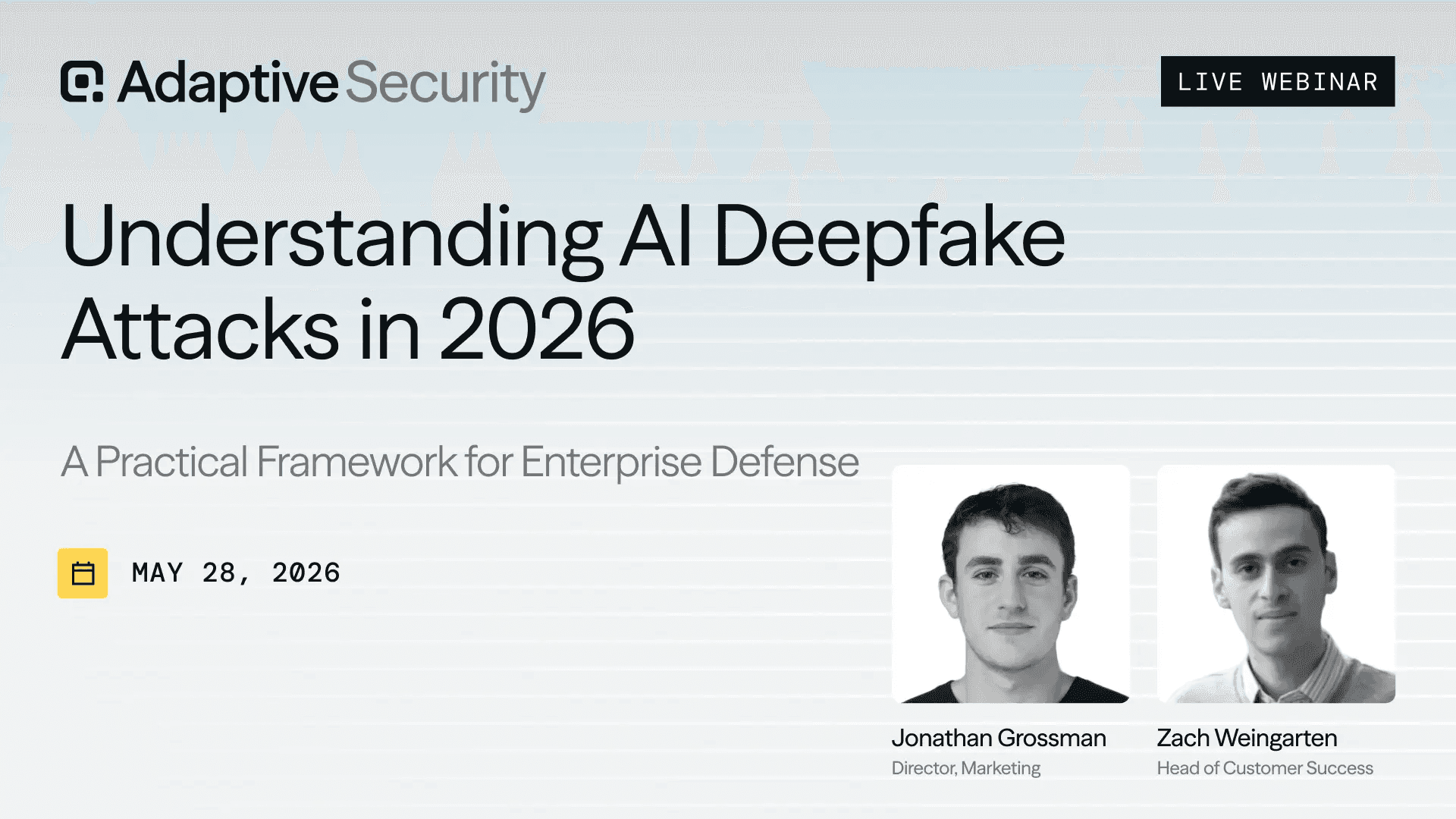
webinarMay 28, 2026
Understanding AI Deepfake Attacks in 2026

webinarMarch 5, 2026
Adaptive: What’s New & What’s Next
Product Updates
See allproduct updateOctober 14, 2026
Attachment Inspection
product updateOctober 13, 2026
Email Security Employee Digest
product updateOctober 8, 2026
Email Security Webhooks and REST API
product updateOctober 1, 2026
Cybersecurity Awareness Month 2026 Toolkit
product updateSeptember 21, 2026
Calendar Phishing Detection and Remediation
product updateSeptember 16, 2026
Notification Translations
product updateSeptember 8, 2026
Email Security Spam & Graymail Protection
product updateAugust 26, 2026
Adaptive Email Security: Why it's Our Fastest-Growing Product
product updateAugust 12, 2026
Outbound Webhooks
product updateJuly 25, 2026
AutoPhish
product updateJuly 22, 2026
Test Out of Training Modules

product updateJune 15, 2026
Voice Phishing Upgrades

product updateJune 3, 2026
Custom Admin Notifications

product updateApril 30, 2026
Autoplay Training Content

product updateApril 29, 2026
Branded Training

product updateApril 23, 2026
AI Governance (Beta)

product updateApril 16, 2026
Adaptive Email Security (Beta)

product updateApril 13, 2026
Executive Report Boards

product updateMarch 16, 2026
Adaptive is Now EU AI Act Compliant

product updateMarch 12, 2026
Adaptive AI Content Studio

product updateMarch 4, 2026
Save and Customize Report Views

product updateFebruary 12, 2026
Automated Phish Remediation Training

product updateJanuary 28, 2026
Adaptive Feature Preview

product updateJanuary 8, 2026
Automated Phish Triage

product updateDecember 23, 2025
Executive Risk Vectors

product updateDecember 15, 2025
Custom AI Deepfake Personas

product updateDecember 12, 2025
Attachment Simulations

product updateDecember 12, 2025
Customizable Phish Fail Pages

product updateNovember 21, 2025
Global Phishing Scenarios

product updateNovember 17, 2025
Leaderboards
product updateOctober 23, 2025
Advanced Group Builder

product updateSeptember 11, 2025
Content Library Refreshed

product updateSeptember 9, 2025
Editing Training Notifications
product updateAugust 25, 2025
Reports Tab: Smarter Insights, All in One Place
product updateMay 6, 2025
Make Any Training In Seconds With AI Content Creator
Free Tools
See allDeepfake Studio
Free Tools
Make your own deepfake: Free, interactive tools to understand AI threats firsthand, with no account required.
ThreatWire
Free Tools
Your morning threat briefing: A free weekly rundown of the AI threats security teams need to know about.
Voice Simulator
Free Tools

